Victoria Park wedding flowers trusted local florist
Posted on 02/10/2026
Victoria Park wedding flowers trusted local florist: a practical guide to beautiful, stress-free wedding florals
Planning your wedding flowers can feel wonderfully exciting and slightly overwhelming at the same time. You picture the aisle, the bouquet, the table arrangements, and then suddenly there are colours, stems, seasonality, delivery timings, and a hundred tiny decisions. If you are searching for Victoria Park wedding flowers trusted local florist support, you are probably looking for more than pretty blooms. You want reliability, local know-how, and flowers that actually work with the pace of your day.
That is exactly what this guide is here for. We will walk through how local wedding flower planning works, what to expect from a trusted florist, how to choose the right style for your venue and budget, and which mistakes are worth avoiding. A good florist does not just sell flowers. They help the day run more smoothly. And frankly, that matters more than people realise until the morning arrives and the venue is buzzing.
Whether you are planning an intimate ceremony or a fuller wedding setup, the right approach to Victoria Park wedding flowers should feel calm, personal, and well organised. Let's get into the useful bits.
- Why Victoria Park wedding flowers trusted local florist matters
- How Victoria Park wedding flowers trusted local florist works
- Key benefits and practical advantages
- Who this is for and when it makes sense
- Step-by-step guidance
- Expert tips for better results
- Common mistakes to avoid
- Tools, resources and recommendations
- Law, compliance, standards, or best practice
- Options, methods, or comparison table
- Case study or real-world example
- Practical checklist
- Conclusion
- Frequently asked questions
Why Victoria Park wedding flowers trusted local florist Matters
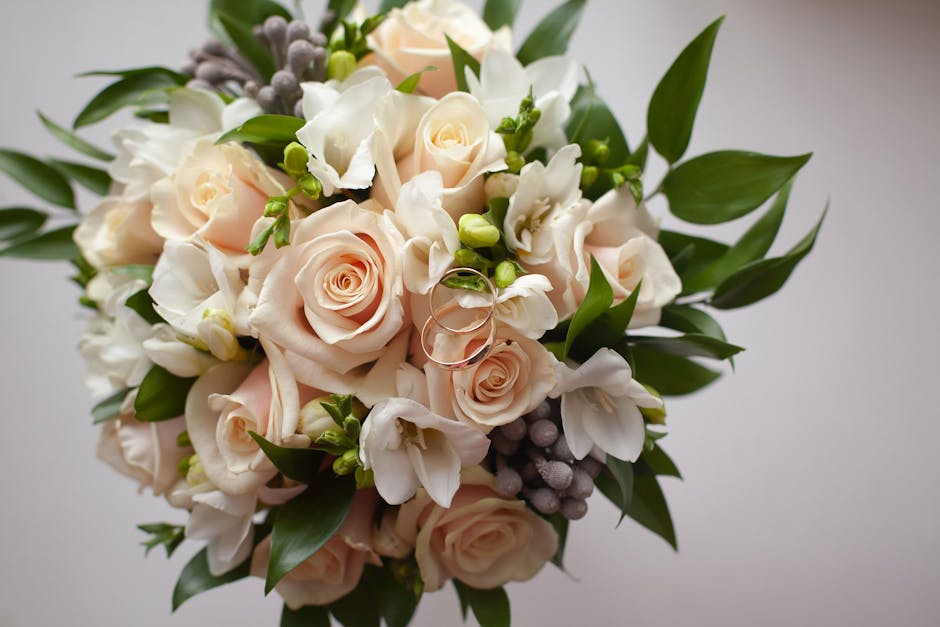
Wedding flowers are not just decoration. They shape the atmosphere of the day in a way that people feel before they even properly notice it. A bouquet on a crisp morning near Victoria Park, the scent of fresh roses in a reception room, the soft colour on a table at golden hour - these little details do a lot of heavy lifting. They make the day feel considered.
Choosing a trusted local florist matters because weddings are time-sensitive, location-sensitive, and often weather-sensitive too. In a busy part of East London, you need someone who understands delivery windows, access points, parking quirks, and the reality of getting arrangements from workshop to venue without stress. That local understanding can save you from last-minute chaos. To be fair, that is worth its weight in ranunculus.
It also matters because flowers are often one of the easiest places for a wedding budget to drift. A florist with real experience should help you focus spend where it creates the most visual impact: the bouquet, ceremony focal point, reception tables, and a few carefully chosen finishing touches. A local specialist can guide you toward choices that look luxurious without unnecessarily inflating the bill.
Expert summary: the best wedding florist is not the one with the fanciest words; it is the one who listens properly, understands the venue, works cleanly on the day, and delivers arrangements that match your style, your timings, and your budget.
How Victoria Park wedding flowers trusted local florist Works
The process is usually straightforward when it is handled well, but there are a few moving parts behind the scenes. A trusted florist will normally begin with a brief consultation to understand your date, venue, colour palette, preferred flowers, and overall feel. Are you after soft and romantic? Crisp and modern? Seasonal and relaxed? The more clearly you can describe the mood, the easier it is for the florist to build a coherent plan.
From there, the florist should suggest designs based on your requirements and the season. This matters because flower availability shifts across the year. Some blooms are easier to source in peak season, while others can be more expensive or unpredictable. A good florist will explain this plainly rather than pretending everything is endlessly available. That honesty is useful. It keeps expectations realistic and avoids the awkward "we thought we had peonies in November" moment.
Next comes the practical side: quantities, sizes, delivery, installation, and collection if needed. Wedding flowers may include bridal bouquets, bridesmaid bouquets, groom buttonholes, corsages, table arrangements, ceremony pieces, and sometimes a few decorative extras like petals or aisle accents. A trusted local florist will help decide what is essential and what is optional. Not every wedding needs everything. Sometimes less is better, and calmer too.
If you are browsing floral styles online, collections such as wedding flowers can be a useful starting point because they help you compare the look of different arrangements without having to guess. You can then refine the plan into something specific to your venue and day.
Key Benefits and Practical Advantages
There are several reasons couples choose a local florist rather than trying to piece everything together from multiple sources. Some are obvious. Some only become obvious when the wedding week arrives.
- Better local timing: local delivery is easier to coordinate around venue access, traffic, and setup windows.
- More relevant styling: a florist who knows the area tends to understand the type of venues, from small civil spaces to more characterful settings near the park.
- Practical guidance: you get advice on what will actually last through the day, not just what looks good in a photo.
- Seasonal awareness: you can choose flowers that are in better supply and often better value.
- Less admin for you: one point of contact, one plan, fewer moving parts. Bliss, really.
Another key advantage is consistency. When the same florist prepares the bridal bouquet, buttonholes, and table flowers, the whole scheme feels joined-up. Colour, texture, and scale all speak to each other. You avoid that slightly awkward situation where one item feels romantic, another feels too formal, and the tables seem to belong to a different wedding entirely.
For couples comparing bouquet shapes or finishing touches, browsing a focused product range like bridal bouquets, bridesmaid bouquets, and buttonholes can make the decision clearer. It gives you a sense of scale, style, and colour balance before you commit.
Who This Is For and When It Makes Sense
This approach makes sense for couples who want wedding flowers that feel coordinated, dependable, and suited to a real venue rather than a generic idea board. If you are getting married near Victoria Park, or simply want the convenience of a florist who understands East London timing and logistics, local support is a practical choice.
It is especially useful if:
- you want flowers delivered and arranged with minimal stress on the day
- you prefer a florist who can guide you through options without being pushy
- you need help balancing style and budget
- you want matching pieces across the bridal party and reception
- you are not certain which flowers are suitable for the season
It also makes sense if you are short on time. Wedding planning has a habit of swallowing weekends whole, and flowers can become a half-finished job if you leave them too late. A trusted local florist can simplify the process with clear choices, which is a relief when you already have outfits, menus, guests, and a dozen messages from relatives to deal with.
For smaller weddings, a focused selection can be enough. For larger celebrations, a local florist can help you scale sensibly so the room feels lush without becoming visually cluttered. The trick is matching the flower count to the size of the space. Too much and it feels busy; too little and it can look underdone. Somewhere in the middle is usually the sweet spot.
Step-by-Step Guidance
If you are planning wedding flowers for Victoria Park or the surrounding area, a structured approach helps more than most people expect. Here is a sensible way to move from idea to delivery.
- Define your wedding style. Start with the mood, not the stems. Romantic, modern, classic, garden-inspired, bold, understated - all good, but they lead to different flower choices.
- Set a realistic floral budget. Decide what matters most. A bouquet and ceremony flowers may matter more than large quantities of table flowers, or vice versa.
- Choose a florist who knows local venues. A local florist should be comfortable discussing delivery access, setup timing, and any site restrictions.
- Ask about seasonal flowers. This can improve freshness, appearance, and value. It also avoids last-minute substitutions where possible.
- Confirm the essential items first. Bridal bouquet, bridesmaid bouquets, buttonholes, and key ceremony flowers are usually the core pieces.
- Review samples or style references. Photos help, but make sure they are used as a guide rather than a rigid copy.
- Lock in delivery details. Make sure the florist knows the address, access instructions, contact person, and the exact setup window.
- Check the final list before the week of the wedding. Small changes are normal. Big changes right at the end are less fun.
A practical tip: if you are unsure about colours, start with one anchor shade and a supporting neutral. For example, white and green feels timeless, while blush and cream reads softer, and richer tones can add warmth and drama. A good florist can expand that idea without turning it into a colour riot. Nobody wants a floral rainbow unless that was the plan from the start.
Expert Tips for Better Results
Here are some useful things that experienced florists tend to think about, even if couples do not always ask. Knowing them can make your flowers better, and your planning calmer.
- Think in layers: one standout piece, a few supporting pieces, and smaller accent items usually look more balanced than spreading the budget thinly everywhere.
- Match flowers to the room: large spaces need stronger visual presence; smaller rooms can be overwhelmed by oversized arrangements.
- Ask about vase or container style: it affects the whole look more than people realise.
- Consider fragrance carefully: some people adore scented flowers, while others find them overpowering indoors.
- Keep transport in mind: if flowers need to travel far or wait before setup, sturdier stems may be the smarter choice.
- Do not ignore the weather: even in London, a warm spell can change how flowers behave during transport and display.
One small but important point: your bouquet should suit how you plan to hold it. Sounds obvious, but people often fall in love with a shape that looks beautiful in a photograph and feels awkward in the hand. The same goes for buttonholes and corsages. Comfort matters. You will notice it immediately on the day.
If you are choosing flowers for different parts of the wedding party, products such as wedding corsages and coordinated table arrangements can help create a consistent look without overcomplicating the order.
Common Mistakes to Avoid
Some wedding flower problems are preventable with a little planning. Others happen because couples are juggling ten things at once, which is very normal. Still, a few mistakes come up again and again.
- Leaving flowers too late: good florists book up, especially at popular wedding times.
- Choosing without considering the venue: a bouquet can be gorgeous and still feel wrong if it clashes with the space.
- Overfilling the brief: too many ideas can produce a muddled result. Clear direction is better.
- Ignoring seasonal availability: if a flower is hard to source, the result may be less predictable.
- Forgetting the practical side: transport, setup time, and collection are not glamorous, but they matter.
- Assuming all flowers have the same durability: some last better than others in warmth or sunshine.
One subtle mistake is asking for too many unrelated inspiration images. It is tempting, of course. We all do it. But if one photo is soft and pastel, another is dramatic and dark, and a third is wild and textural, the florist has to guess which parts matter most. Pick a direction. Then hold it.
Another mistake is forgetting the day-of reality. The bouquet might look perfect on a kitchen counter, but how does it sit in the car? How will the arrangements move from delivery to the ceremony space? These little details are not glamorous, yet they are exactly where a trusted florist earns their keep.
Tools, Resources and Recommendations
You do not need a giant planning system to get wedding flowers right. A few simple tools and habits are enough.
- Colour swatches or fabric samples: useful if you want your flowers to match bridesmaid dresses, ties, or table styling.
- A simple mood board: keep it focused on shape, colour, and texture rather than collecting endless images.
- Venue notes: access times, room names, table sizes, and ceremony schedule all help the florist plan properly.
- Guest list basics: these can influence how many buttonholes, corsages, and table pieces you need.
- Flower care guidance: once arrangements arrive, you want them to look fresh right through to the ceremony and photos.
If you are buying flowers for other occasions too, it helps to understand the florist's overall service style. A browse through flower care advice and delivery information can give useful context on handling, timing, and expectations. That sort of background detail is not thrilling, no, but it saves a lot of unnecessary guesswork.
It can also be helpful to view broader product ranges such as all flowers or seasonal selections like summer flowers if you are still refining your colour story. Sometimes the right choice only becomes obvious once you see how the flowers behave together.
Law, Compliance, Standards, or Best Practice
Wedding flowers are not a heavily regulated topic in the way some services are, but there are still sensible standards and expectations worth respecting. A trustworthy florist should operate transparently, communicate clearly about what is included, and handle customer information properly. In the UK, good business practice also means clear payment terms, straightforward cancellation or amendment policies, and fair handling of any delivery or product issues.
For weddings, the most important compliance-related issue is usually practical rather than legal: making sure flowers, containers, and installations are safe for the venue and do not obstruct access, exits, or walkways. If flowers are being installed in a ceremony space or reception room, the florist should work within the venue's rules and scheduling. That is standard professional behaviour, not a fancy extra.
It is also sensible to ask about substitutions. Fresh flowers are natural products, so exact stems may vary. A good florist should explain this in advance and only make substitutions that preserve the overall style and value. That kind of openness is a sign of quality. If something is unclear, ask. Properly. Most good florists would rather answer a direct question than leave you guessing.
Finally, if you want a florist who behaves like a professional partner rather than a box-ticker, look for clear information pages such as terms and conditions, returns and refund policy, and guarantees. Those pages help you understand how the business works before you place an order. That peace of mind is no small thing when the wedding clock is ticking.
Options, Methods, or Comparison Table
Wedding flowers can be planned in several ways, depending on how hands-on you want to be. The best method depends on your budget, confidence level, and how much help you want with design and logistics.
| Approach | Best for | Strengths | Trade-offs |
|---|---|---|---|
| Fully bespoke florist service | Couples wanting a tailored look and full support | Highly personalised, coordinated, venue-aware | Usually the most time-intensive and can cost more |
| Curated collection or wedding range | Couples who want a defined style with less planning | Simple decision-making, easier budgeting, quicker booking | Less flexibility than a fully bespoke design |
| Mixed approach | Couples who want a statement bouquet and simpler supporting pieces | Good balance of style and practicality | Requires clear planning so the look stays cohesive |
| Minimal floral styling | Small weddings or very budget-conscious couples | Cost control, less setup, fewer logistics | Less visual impact in larger venues |
In practice, many couples use a mixed approach. They might choose a standout bridal bouquet, coordinated bridesmaid flowers, buttonholes, and a few key table pieces. That combination gives the room enough presence without turning the day into a floral production line. A sensible compromise, really.
Case Study or Real-World Example
Here is a realistic example. A couple planning a wedding near Victoria Park wanted flowers that felt soft, elegant, and seasonal, but they were wary of over-ordering. They did not want the ceremony to look bare, though, so the brief focused on three core areas: the bouquet, the ceremony focal point, and the reception tables.
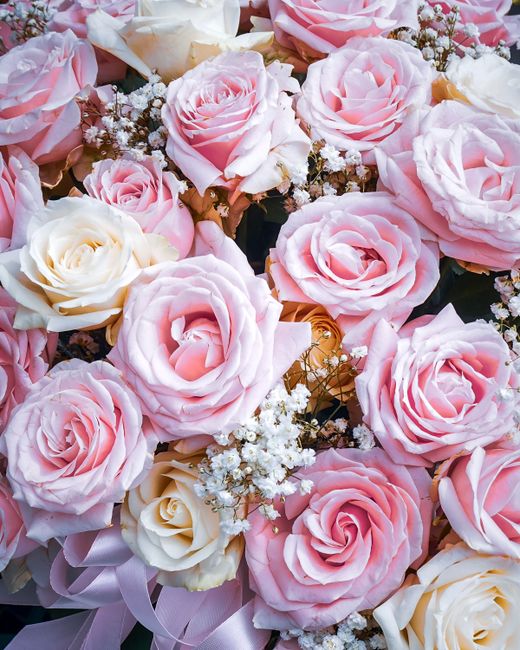
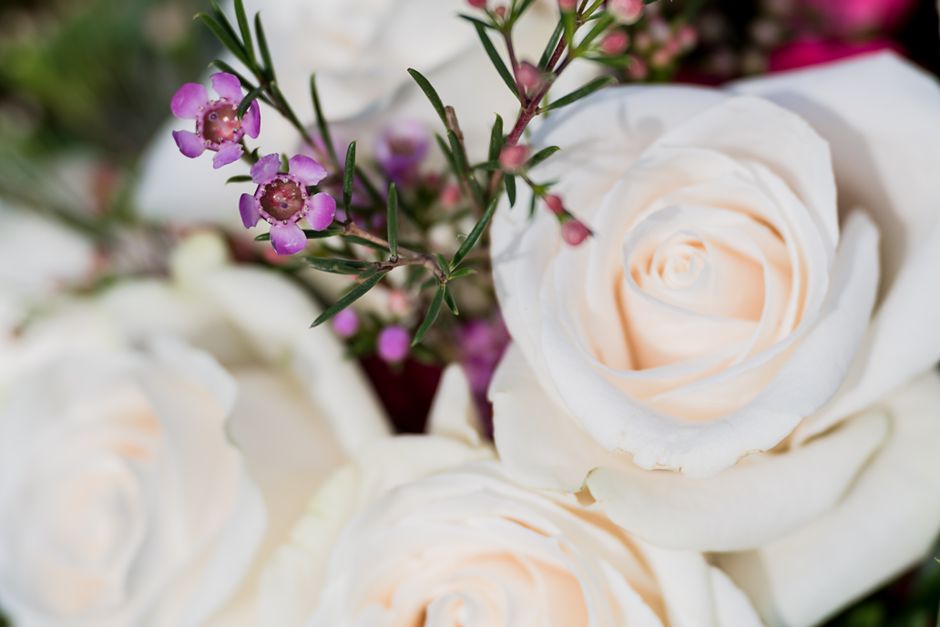
The florist suggested a coordinated palette with white, blush, and natural green tones. Instead of trying to fill every surface, the design concentrated visual impact where guests would notice it first. The bouquet carried the main colour story. The table arrangements echoed the shape and softness of the bouquet. Buttonholes and corsages were kept simple so the bridal party felt cohesive without looking overdone.
What made this work was not just the flowers themselves. It was the planning. Delivery was timed for the venue's setup window. The florist checked access details beforehand. The couple had one clear point of contact. So on the day, there was no last-minute scramble, no mystery boxes, no one asking where the flowers had gone. Just the nice part: the room filled with colour, the bouquet looked right in the photos, and everything felt calm.
That is often the real value of a trusted local florist. Not drama. Not fluff. Just a smooth, beautiful result.
Practical Checklist
Use this checklist to keep your wedding flower planning tidy and manageable.
- Confirm your wedding date and venue
- Decide on your overall flower style or mood
- Set a flower budget before choosing designs
- List the key items you need: bouquet, bridesmaid bouquets, buttonholes, table flowers, ceremony flowers
- Check seasonal flower availability with your florist
- Share venue access, delivery timing, and any restrictions
- Review photographs or product examples to align on style
- Confirm the final order and any substitutions policy
- Ask how flowers will be delivered and placed
- Keep the florist's contact details handy for the wedding week
If you want a quick way to simplify choices, start with the pieces that matter most to the day's photographs and guest experience. The bouquet, the ceremony flowers, and the tables usually do more work than people think. Focus there first, then build outward if needed.
Get a free quote today and see how much you can save.
Conclusion
Victoria Park wedding flowers are at their best when they feel personal, well planned, and quietly dependable. That is why choosing a trusted local florist makes such a difference. You are not only buying flowers. You are choosing timing, judgement, coordination, and a calmer wedding day.
With the right support, the process becomes much easier: clear brief, sensible flower choices, smooth delivery, and arrangements that feel natural in the venue. A bouquet should feel like part of the day, not a separate project hanging over you. And if the florist understands the local rhythm as well as the floral palette, even better.
When it all comes together, the effect is simple and lovely. The room feels warmer. The photos feel richer. The day feels like yours. That is the whole point, really.
Frequently Asked Questions
What does a trusted local florist do for a Victoria Park wedding?
A trusted local florist helps with flower selection, seasonal advice, design coordination, delivery timing, and setup. For a Victoria Park wedding, local knowledge can make logistics far easier, especially if the venue has specific access or timing rules.
How far in advance should I book wedding flowers?
As early as you can, especially if your date falls in a busy wedding season. Early booking gives you more choice and reduces the risk of missing out on the florist or flower styles you want.
Can I get wedding flowers on a smaller budget?
Yes. A good florist can focus on the high-impact pieces first, such as the bouquet, buttonholes, and a few table arrangements. Using seasonal flowers often helps keep things sensible without losing style.
What flowers work best for weddings near Victoria Park?
It depends on the season, your venue, and your colour palette. Popular choices often include roses, lilies, lisianthus, hydrangeas, carnations, alstroemeria, and mixed seasonal blooms because they can be styled in many different ways.
Do I need a fully bespoke wedding flower design?
Not always. Some couples prefer a bespoke design, while others are happy with a curated wedding collection or a mixed approach. The right option depends on how much choice, support, and flexibility you want.
What should I tell my florist before the consultation?
Share your wedding date, venue, general style, preferred colours, budget range, and the items you need. If you have inspiration images, keep them focused. A few strong references are better than a huge jumble.
How do I make sure my flowers match the venue?
Choose arrangements that suit the size, lighting, and style of the space. A small room needs a different scale from a larger reception hall. A local florist can help you judge that balance without overdoing it.
What if I need buttonholes, corsages, and table flowers as well?
That is very normal. Most wedding flower orders include a mix of personal flowers and venue flowers. Coordinating them through one florist usually creates a more consistent result.
Will my florist make substitutions if certain flowers are unavailable?
Often, yes, but a reputable florist should keep the look, value, and style as close as possible to the original plan. It is sensible to ask how substitutions are handled before you confirm your order.
How do I keep wedding flowers fresh on the day?
Ask your florist how each arrangement should be stored or displayed before the ceremony. Delivery timing, room temperature, and handling all matter. Simple care guidance can make a noticeable difference.
Is it better to order online or speak to a florist directly?
For weddings, speaking to a florist directly is usually better because there are more details to align. Online ranges are useful for style ideas, but a direct conversation helps turn those ideas into a workable plan.
Can a local florist help with last-minute wedding flowers?
Sometimes, yes, depending on availability and the complexity of the order. If you are short on time, keep the brief focused and be flexible on flower choice. That usually gives you the best chance of a good result.
If you are planning your own celebration, the main thing is this: choose flowers that feel right for the day, and choose a florist who makes the process feel easy. The rest tends to fall into place. Lovely when that happens.